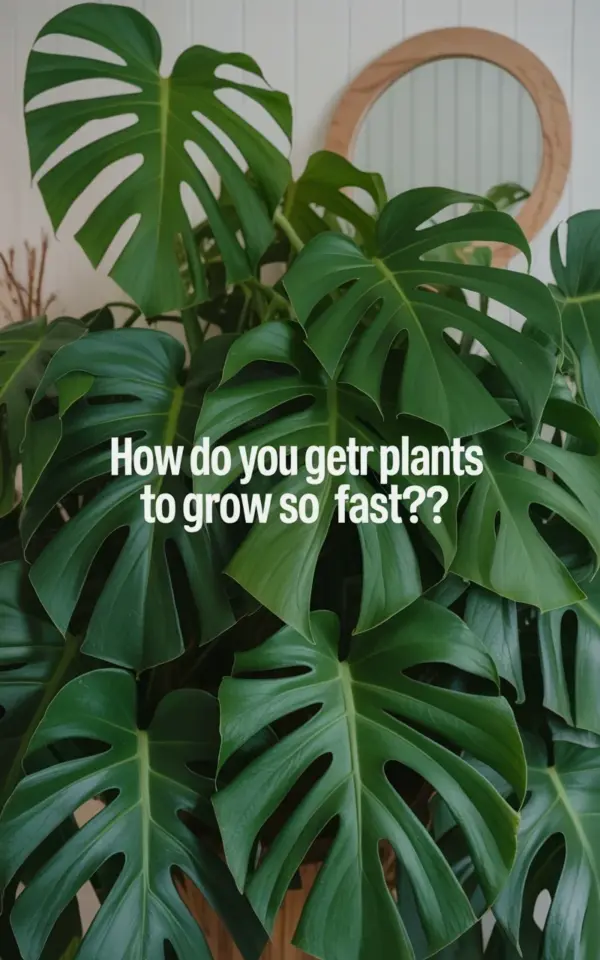
This spring, MonsteraDeliciosa care is really about two things: light and patience. I’m sitting here looking at my own Swiss cheese plant, its deep green leaves layered in a lush, dense display against the white wall and wood paneling in my living room. The circular wooden frame in the upper right corner of that photo? Garage sale, four bucks. But the fenestrations, the splits and holes that make this plant so gorgeous, those took a full year of getting things right.
Why Fenestrations Depend on Bright Indirect Light
Here’s the thing about Monstera deliciosa. It grows new leaves, but if the light is too low, those leaves come out solid and small. No splits, no holes. Just a plain green heart that looks more like a pothos than a Swiss cheese plant.
Bright indirect light is the magic ingredient. A north or east window works perfectly. If you only have a south or west window, just pull the plant back a few feet or hang a sheer curtain. Your wallet doesn’t need to stretch for grow lights. Honestly, I’ve seen people obsess over expensive LED setups, but I’ve grown great fenestrations with a simple west-facing window and a $3 sheer panel from a thrift store.
- East window: morning sun, perfect all year
- North window: gentle light, can work but slow growth
- South or west window: too harsh, use a sheer curtain or distance
- No good window? A basic grow bulb in a normal desk lamp can do the job
The Budget-Friendly Potting Mix That Keeps Roots Happy
Monstera roots hate sitting in soggy soil. They’ll rot real fast, and then no amount of light will save the plant. You don’t need to buy a fancy aroid mix that costs twice as much as the plant itself.
Make your own with regular potting soil, perlite, and orchid bark. Roughly two parts potting soil, one part perlite, one part bark. That’s it. I keep mine in a big plastic bin under the sink. The perlite keeps air pockets, the bark mimics the tree trunks they climb in the wild, and the whole thing costs me maybe eight bucks per repotting.
DIY Support: A Moss Pole Without the Price Tag
Fenestrations aren’t just about light. A Monstera that climbs will grow bigger, wider leaves with more splits. The aerial roots want to grip something, and when they do, every subsequent leaf tends to be more dramatic.
Buying a moss pole can set you back $15 to $30. Instead, I grabbed a piece of scrap wood from a construction site, wrapped it in old t-shirt strips, and tied it with twine. Works almost as well. Or use a cheap tomato cage, or a bamboo stake. Honestly, the plant isn’t picky about aesthetics at first, you can always upgrade later.
Spring Watering Routine (No Fancy Gauge Needed)
This is where most people mess up. They water on a schedule, every Monday, even if the soil is already wet. I learned the hard way after overwatering my first Monstera into a mushy, sad mess.
Stick your finger two inches into the soil. If it’s dry, water until it runs out the bottom. If it’s still damp, leave it alone. That’s the whole method. I leave tap water in a jug overnight to let the chlorine dissipate, which is free. Also, a pebble tray with water beneath the pot helps with humidity, and the pebbles were literally collected from my driveway.
Feed Your Swiss Cheese Plant Without Expensive Fertilizers
Spring is when the plant wakes up and pushes out all those new leaves. It needs food, but not the pricey liquid fertilizers that promise impossible results. A balanced houseplant fertilizer at half strength, every two to three weeks, works great. I get the generic store brand for under five dollars and it lasts forever.
If you want to go even cheaper, coffee grounds that have been rinsed and dried can be sprinkled on the soil occasionally. But go easy, you don’t want to acidify too much. I also started making compost tea from kitchen scraps and a little water, though it smells weird enough that I only do it outdoors.
Prune and Propagate for More Monstera Plants
Once your plant gets older and starts growing leggy, you can trim it. Cut below an aerial root node, put the cutting in a jar of water, and wait. The roots will appear in a few weeks. Then you’ve got a whole new plant for nothing.
I’ve traded cuttings with neighbors for other houseplants. It’s a great way to fill your home without spending a dollar. And pruning encourages the parent plant to grow bushier, which means more leaves, more chances for fenestrations.
Patience Is the Real Secret
Even with perfect light and budget-friendly care, the new leaf might not have holes right away. It takes time. Each successive leaf typically gets a little more split as the plant matures, so don’t panic if the first spring leaf is mostly solid.
Monsteras move at their own pace. Mine pushed out two new leaves in April, then waited six weeks before the next one appeared. The wait was worth it, the newest leaf has four large holes and deep splits that make the whole plant look like a living sculpture. That soft natural lighting in the photo, the way it highlights each leaf, you’ll get that too with a simple window, no editing needed.
So if you’re checking in on your Swiss cheese plant this spring, give it light, give it time, and don’t spend much money. Your Monstera will reward you with those gorgeous fenestrations, and you’ll feel even better knowing you did it without breaking the bank. Have you seen a new leaf unfurling yet? I’d love to hear what works for you in the comments.
#MonsteraDeliciosa #MonsteraCare #HouseplantTips #SwissCheesePlant #SpringHouseplants
Leave a Comment