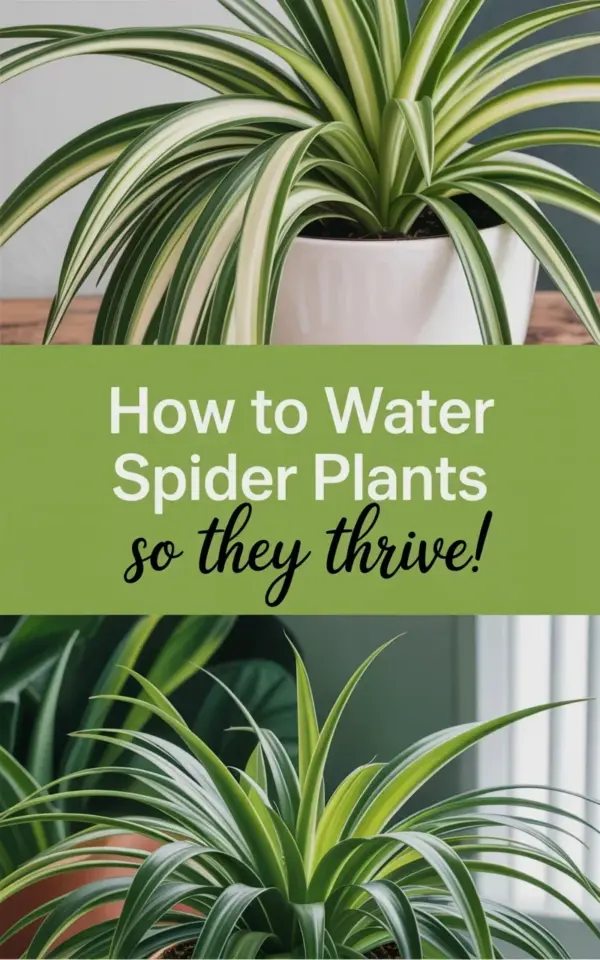
If you have a spider plant, you probably already know it is one of the easiest houseplants to keep alive. But there is one mistake that trips up even experienced plant owners: watering on a strict schedule. I have done it myself, setting a calendar reminder to water every Tuesday, only to find my spider plant looking sad and droopy. The truth is, spider plants hate having wet feet. The biggest watering mistake for spider plants is overwatering on a fixed routine. Instead, let the top inch of soil dry out before giving it a drink. This simple change prevents root rot and keeps those variegated leaves looking their best. And the best part? You do not need fancy gadgets to get it right, just a finger, a cheap pot with drainage, and a little patience. As the Pinterest graphic shows, a healthy spider plant has multiple stems of silvery-green leaves spreading outward, and that starts with proper watering. Check the pot drainage and water slowly until it drains out the bottom. Your spider plant will reward you with new growth.
Why Overwatering Is the Number One Spider Plant Killer (and How to Spot It)
Overwatering is the fastest way to send a spider plant to the compost bin. When the soil stays soggy, the roots cannot breathe. They start to rot, and the whole plant suffers. You might notice leaves turning yellow or developing mushy, dark spots near the base. The pot might smell sour, or you may see fungus gnats hovering around the soil. These are all signs that you are giving it too much love with the watering can.
On a budget, you can avoid this without a moisture meter. Just pay attention to the weight of the pot. A dry pot feels noticeably lighter than one full of water. If your spider plant sits in a plastic nursery pot inside a ceramic cover, lift it out and feel the bottom. Soggy soil is cold and heavy. If it feels like a wet sponge, wait a few more days. Your plant will thank you.
The Finger Test: A Free and Foolproof Way to Check Soil Moisture
Forget expensive moisture meters. Your finger is the most reliable tool you already own. Stick your index finger into the potting mix up to the second knuckle, about one inch deep. If the top inch feels dry and crumbly, it is time to water. If it feels damp or cool, wait. This method works for any pot size and any soil type.
- Dry at 1 inch: Water the plant slowly until water runs out the drainage hole.
- Moist or cool to the touch: Leave it alone for a few more days, then test again.
- Wet and muddy: The soil is waterlogged. Skip watering and consider repotting into fresh, dry soil if the roots are mushy.
I keep my spider plant in a cheap terracotta pot because the porous clay helps the soil dry faster. If you use a plastic pot, it will hold moisture longer, so you need to check even more carefully. Either way, your finger is free, and it never lies.
How to Water a Spider Plant the Right Way (Step by Step)
Once you have confirmed the top inch is dry, water your spider plant like a pro. Fill your watering can with room temperature water. Cold water can shock the roots, and hot water is just silly. If you use tap water, let it sit out overnight to let chlorine evaporate. This is a free trick that helps prevent brown tips on the leaves.
Water the soil evenly and slowly. Pour until you see water trickling out the bottom of the pot. This ensures the entire root ball gets a drink. Let the pot drain completely in your sink or a tray. After 15 to 30 minutes, dump out any water that collected in the saucer. Never let the pot sit in standing water. That is a one way ticket to root rot. Follow these steps every time, and your spider plant will stay happy even if you forget to water it occasionally.
The Best (and Worst) Pots for Spider Plants on a Budget
You do not need to buy fancy planters. A basic terracotta pot with a drainage hole costs a few dollars and is perfect for spider plants. It breathes, so the soil dries evenly. Plastic nursery pots are even cheaper, and they work fine, but you have to be more careful about overwatering. Avoid pots made of glass or glazed ceramic without holes, unless you plan to use them as cachepots. If you use a cachepot, always lift the nursery pot out before watering, and never let water sit inside the outer container.
For a true budget hack, repurpose old yogurt cups, tin cans, or takeout containers. Just punch a few holes in the bottom with a nail or a drill. Spider plants do not care if their home is fancy; they just need drainage. Also, keep the pot size modest. A pot that is too large holds extra wet soil around the roots, which encourages rot. Choose a pot that is only one to two inches wider than the root ball.
What About Brown Tips? It Is Not Always a Watering Problem
Many people see brown tips on spider plant leaves and assume they need more water. That is usually the opposite of the truth. Brown tips often come from chemicals in tap water, like fluoride and chlorine. The cheapest fix is to let tap water sit out for 24 hours before watering, or collect rainwater if you can. Another cause is low humidity. Spider plants like a little moisture in the air, especially in dry winter homes. Group your plants together, or place a shallow tray of pebbles and water under the pot. Avoid misting, it can lead to leaf spot fungus.
Overfertilizing can also cause brown tips. Spider plants are light feeders. I use a general houseplant fertilizer at half strength once a month during spring and summer, and not at all in winter. If your plant already has brown tips, leave them alone. Cutting them off often makes the damage worse. Focus on fixing the root cause instead.
How Often Should You Actually Water a Spider Plant? (There Is No Set Schedule)
This is the question that trips up most beginners. The answer depends on light, temperature, pot size, and soil mix. A spider plant in a bright, south facing window will dry out faster than one in a dark corner. In summer, you might water every five to seven days. In winter, that can stretch to two or three weeks. Forget the calendar. Use the finger test and the weight of the pot to decide.
I used to water my spider plant every Sunday because a blog told me to. The leaves turned yellow and the plant stopped growing. Now I ignore the schedule and just check the soil. That simple change turned my spider plant into a lush, trailing monster. The same will happen for you. Watch the plant, not the clock.
Spider Plant Care on a Budget: Simple Tools That Cost Next to Nothing
You already know your finger works as a moisture meter. But you can also use a wooden chopstick or a barbecue skewer. Stick it into the soil, if it comes out clean and dry, water that plant. If it comes out with damp soil stuck to it, wait. This trick costs zero dollars and works for all your houseplants.
- Dust off leaves: Use a damp paper towel or an old microfiber cloth to wipe dust off the leaves. Clean leaves absorb more light, which helps the plant use water efficiently.
- Self watering wick: If you tend to forget to water, make a wick from a cotton string. Thread it through the drainage hole into a reservoir of water. This costs pennies and keeps the soil evenly moist without drowning the roots.
- Propagate for free: Spider plant babies, those little plantlets that hang on runners, root easily in water or damp soil. You can fill your home with new plants for zero dollars.
Spider plants are incredibly forgiving, and they do not need expensive supplies. A terracotta pot, tap water that has sat out, and a finger test are all you really need. That is the beauty of this plant. It thrives on neglect and simple care.
Conclusion
Watering your spider plant correctly comes down to one rule: do not water on a strict schedule. Let the top inch of soil dry out, use your finger to check, and always allow the pot to drain fully. That small habit shift will save your plant from root rot, keep those white and green stripes vibrant, and encourage lots of baby plantlets. Save this guide for your houseplant care routine, and next time you are tempted to water just because it is Monday, pause and feel the soil instead. Your spider plant will thank you with new growth and long, arching leaves.
#spiderplant #wateringplants #houseplanttips #plantcare #spiderplantcare
Leave a Comment