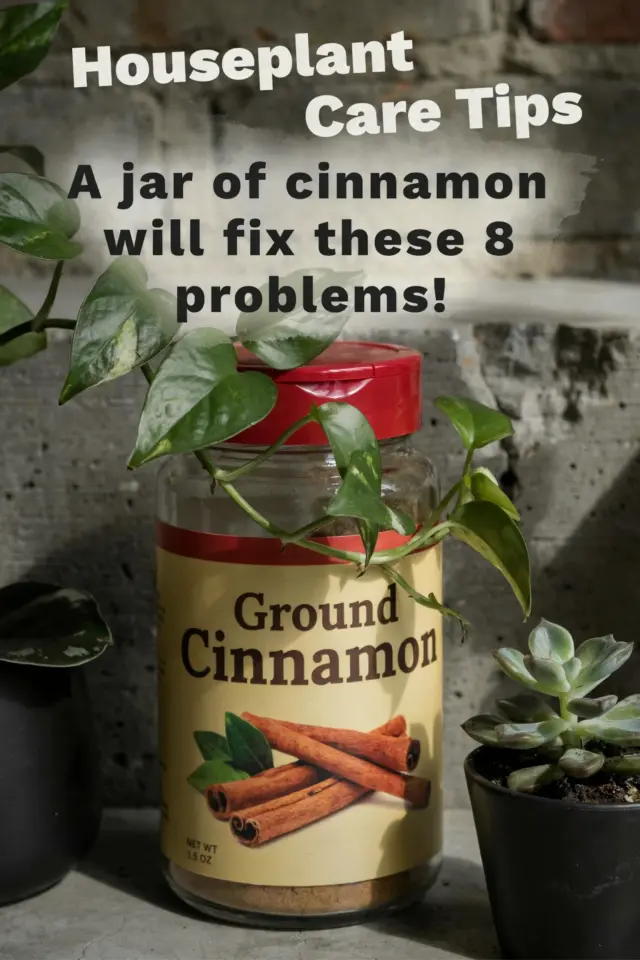
I never thought a spice from my kitchen cabinet would be the MVP of my gardening routine. But here we are. Cinnamon in garden applications has become my go-to organic fix for everything from root rot to ravenous gnats. Honestly, I started using it because I was cheap and desperate. My monstera had fungus gnats, my basil seedlings kept flopping over, and I refused to buy another bottle of synthetic rooting powder. So I grabbed the cinnamon jar. And it worked. Now I keep a shaker of it right next to my watering can. Whether you’re tending to fussy indoor plants or your outdoor beds, these eight organic uses will change how you garden.
- Natural rooting hormone for cuttings
- Fungus gnat killer on soil surface
- Damping off prevention for seedlings
- Wound sealant after pruning
- Mold inhibitor on potting soil
- Ant repellent around outdoor plants
- Fungal leaf spot treatment (spray)
- Soil nutrient boost with cinnamon tea
How to Use Cinnamon as a Rooting Hormone for Houseplant Cuttings
Look, I have killed more cuttings than I want to admit. I used to buy those little hormone powders and they’d sit in the drawer until the expiration date. Not anymore. Cinnamon works as a mild natural rooting hormone because it has antifungal properties that prevent rot at the cut end. And it’s dirt cheap. Here’s what I do: take a fresh cutting, dip the wet stem into ground cinnamon, then stick it in moist perlite or potting mix. The cinnamon coats the wound and keeps bacteria away while roots form. I tried this on pothos, spider plants, and even a finicky fiddle leaf fig cutting this fall. The fig rooted in three weeks. Not gonna lie, I was shocked.
A few tips: use Ceylon cinnamon if you can find it (the flavor is milder) but regular grocery store cassia works fine too. Don’t overdo the dip – just a light dusting. And remember, it’s not as potent as synthetic hormones, so be patient. For woody stems like rosemary or lavender, you might need a little more cinnamon or a longer wait. But for soft herbaceous stems? It’s nearly foolproof.
Stop Fungus Gnats and Prevent Damping Off with One Sprinkle
Fungus gnats are the worst. They buzz around your face, they lay eggs in damp soil, and they somehow survive every sticky trap you buy. Cinnamon cuts the cycle fast. When I sprinkle a thin layer over the top of the potting soil after watering, the cinnamon dries out the surface and disrupts the gnats’ breeding ground. The larvae hate it. I haven’t seen a single adult gnat in three months. And here’s the seasonal part – winter is when gnats thrive because indoor heating keeps soil moist. So this trick is especially useful from November through March.
But cinnamon also works on a bigger problem: damping off. That’s the fungal disease that kills seedlings overnight. They look fine one day, then the stem collapses at the soil line. Cinnamon powder sprinkled on the soil surface around seedlings creates a protective barrier. I lost an entire tray of tomato starts last spring before I tried this. After that, I started dusting the soil right after sowing. Not a single seedling flopped over. Honestly, it’s one of the most satisfying organic gardening hacks I’ve found.
Heal Pruning Wounds and Stop Mold on Potting Soil
Every time you cut a leaf or stem, you create an open wound. That’s an invitation for bacteria, fungus, and rot. I always keep a small jar of cinnamon next to my pruners. After I snip off a dead leaf or trim a leggy stem, I dab a little cinnamon powder directly onto the cut. It dries the wound and seals it naturally. My grandmother used to do this on her roses and I thought she was crazy. Turns out she was right. (She was also right about eggshells in the garden, but that’s another story.)
And then there’s that white fuzzy mold that sometimes appears on the surface of potting soil. Especially if you overwater or if the humidity is high – which for me happens every time I bring plants indoors for winter. A light dusting of cinnamon on top of the soil kills the mold spores without harming the plant. I once used cinnamon to stop a mold outbreak on a potted fern I inherited from my grandmother. The fern is still alive. Barely. But the mold vanished within a week. Just don’t pile it on thick – a thin sprinkle is enough. Too much can actually inhibit root growth.
Keep Ants, Slugs, and Other Pests Away from Outdoor Plants
Outdoor gardens are a different beast. You can’t just sprinkle cinnamon and forget it, but it’s a great first line of defense. Ants hate walking over cinnamon. I draw a line of powder around the base of my raised beds or around pots on the patio. It works for about a week until rain washes it away, so you have to reapply. But I’d rather do that than use chemical ant baits near my vegetables. Slugs too – they avoid cinnamon like I avoid Monday mornings. It’s not a full pest control solution, but it buys you time and keeps the worst offenders at bay while you figure out a longer-term plan.
One odd detail: I tried sprinkling cinnamon around a patch of mint that kept getting eaten by something. Turns out rabbits also don’t love strong smells. The mint survived. The cinnamon didn’t stop them entirely, but it definitely reduced the nibbling. For serious infestations you’ll need other organic methods (neem oil, diatomaceous earth, etc.). But cinnamon is a fantastic additive to your outdoor pest toolkit, especially in early spring when bugs are just waking up.
Make a Cinnamon Spray for Fungal Leaf Spots and Powdery Mildew
Powdery mildew is the bane of my squash plants every late summer. And my indoor orchids sometimes develop leaf spots from overwatering. Instead of reaching for a fungicide, I make a simple cinnamon tea spray. Two teaspoons of ground cinnamon in a quart of warm water, let it steep for a few hours, then strain through a coffee filter so you don’t clog your spray bottle. Pour it into a sprayer and mist the affected leaves. The antifungal compounds (cinnamaldehyde) kill the spores on contact. I’ve used this on cucumbers, zinnias, and my peace lily – all with good results.
But here’s the thing: it’s not a magic bullet. You need to spray every three to four days until the spots dry up. And always test on one leaf first because some sensitive plants (like certain ferns) can get a little burned. The spray has a short shelf life – make fresh each time. I keep a jar of cinnamon in the shed just for this. It smells nice too, which is more than I can say for most fungicides.
Boost Soil Health with Cinnamon Tea (Yes, Really)
Ok so this one is a little out there, but I’ve been doing it all season. Cinnamon isn’t just a topical treatment. When you water your plants with a weak cinnamon tea, you introduce beneficial compounds that stimulate root growth and suppress bad fungi in the soil. I make a diluted version: one teaspoon of cinnamon per gallon of water, let it sit for a few hours, then water as usual. I do this every three weeks for my houseplants and my outdoor tomato plants. They seem perkier. The roots look healthier when I repot. Is it a placebo effect? Maybe. But I’m sticking with it.
A warning: don’t use this on very young seedlings or plants that are already stressed from overwatering. Cinnamon can slow down the good bacteria if you go overboard. And never pour straight cinnamon into the water without steeping – you’ll just get sludge. Strain it well. This trick is especially good for indoor gardens during the darker months when plants need a little extra immune support. It’s no substitute for proper watering and light, but it’s a wonderful supplement.
So there you have eight organic ways to use cinnamon in your garden, both indoors and out. I keep a dedicated shaker jar (the one with the large holes) next to my potting bench and another in the kitchen for last-minute plant rescues. Honestly, the biggest surprise is how versatile one spice can be. Try a couple of these hacks this season and see what works for your plants. And if you have a weird cinnamon story of your own – like that time it saved a dying succulent – I’d love to hear it. Drop a comment below or tag me in your garden photos. Happy growing.
#houseplanttips #organicgardening #cinnamonuses #gardeninghacks #indoorgarden
Leave a Comment