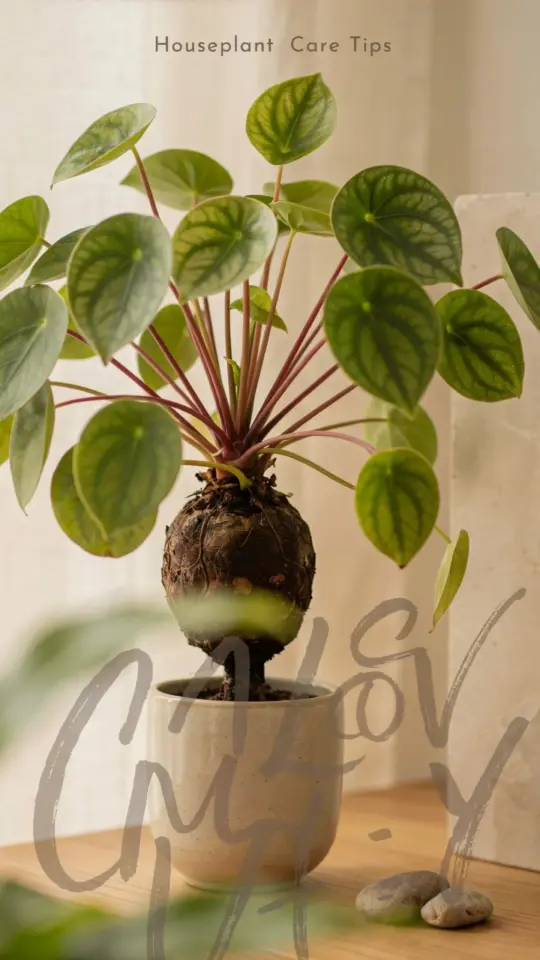
What Exactly Is a Stephania Erecta? A Caudex Plant That Plays Dead
If you have never heard of Stephania Erecta, you are in for a treat. This weird little plant looks like a smooth brown potato sitting on top of the soil, with thin red vines that shoot out and produce round, silver-mottled leaves. It is a caudex plant, meaning it stores water in that swollen stem base. That is why it is so forgiving. When you forget to water it for two weeks, the caudex just uses its own reserves and keeps on growing. And when conditions get too dry or cold, the plant drops all its leaves and goes completely dormant. New owners often panic thinking they killed it, but it is just taking a nap. That dormancy trick is what makes this the strongest houseplant for lazy people.
Native to Thailand and other parts of Southeast Asia, Stephania Erecta grows naturally under the canopy of forests. It gets dappled light and seasonal dry periods. In your home, you can replicate that rhythm without any fancy equipment. Just give it a decent spot near a window and water it sparingly. The plant will reward you with new growth in spring and summer, then rest in fall and winter. It is basically a pet rock that grows leaves.
Why Stephania Erecta Is the Ultimate Low Maintenance Houseplant
I have killed plenty of plants over the years. Overwatering is usually my problem. But Stephania Erecta is different. It practically begs you to ignore it. Here is why it belongs on your shelf:
- It needs water only once every 10 to 14 days during the growing season. In winter you can water once a month or even stop completely.
- It thrives in average indoor humidity. No humidifier, no misting, no fuss.
- It can survive low light. It grows slower, but it will not die. You do not need a grow light.
- Dormancy is natural. If the leaves fall off, you just wait. It will come back when conditions improve.
- Pests rarely bother it. I have never seen spider mites or mealybugs on mine. The caudex is too tough.
If you are the type who forgets to check on your plants for a week or two, this is your match. It literally thrives on neglect.
The One Thing You Need to Get Right: Watering Your Stephania Erecta
Watering is where most people mess up with indoor plants, but with Stephania Erecta it is simple. The rule is: let the soil dry out completely between waterings. I use a chopstick to check. Stick it into the pot, pull it out, and if it comes out clean and dry, it is time to water. If any soil sticks to it, wait a few more days.
During spring and summer when the plant is actively growing leaves, water deeply until it runs out the drainage hole. Then let the pot drain fully. Do not let it sit in a saucer of water. In fall and winter, the plant will likely drop leaves and go dormant. At that point, water only if the caudex starts to shrivel a little. Even then, just a small amount. I have gone three months without watering my dormant plant, and it bounced back fine.
One tip: use room temperature water. Cold water from the tap can shock the roots. And never water on a schedule. Always check the soil first. Your plant will tell you when it is thirsty.
Light and Location: Where to Put This Indoor Plant for Best Results
Stephania Erecta does not need a sun-drenched windowsill. It does best in bright, indirect light. An east-facing window is perfect. You get morning sun that is gentle, and the rest of the day is bright but not harsh. A north-facing window works too, but the plant will grow slower and the leaves may be smaller. South or west windows can be okay if you pull the plant back a few feet or use a sheer curtain. Direct afternoon sun can scorch the leaves and even burn the caudex.
Temperature wise, keep it between 60 and 80 degrees Fahrenheit. It can handle a bit cooler during dormancy, but avoid drafts from air conditioners or heaters. And do not move it around too much. These plants hate change. Pick a spot and leave it alone. My own plant sits on a bookshelf about three feet from a west window. It gets a few hours of filtered sun in the late afternoon and seems happy.
Soil and Potting: Preventing Rot With the Right Mix
The biggest enemy of any caudex plant is root rot. Stephania Erecta needs a very chunky, fast-draining soil mix. Do not use standard potting soil straight from the bag. It holds too much moisture. Instead, mix two parts cactus or succulent soil with one part perlite
#StephaniaErecta #HouseplantCare #LowMaintenancePlants #IndoorPlants #CaudexPlants
Leave a Comment