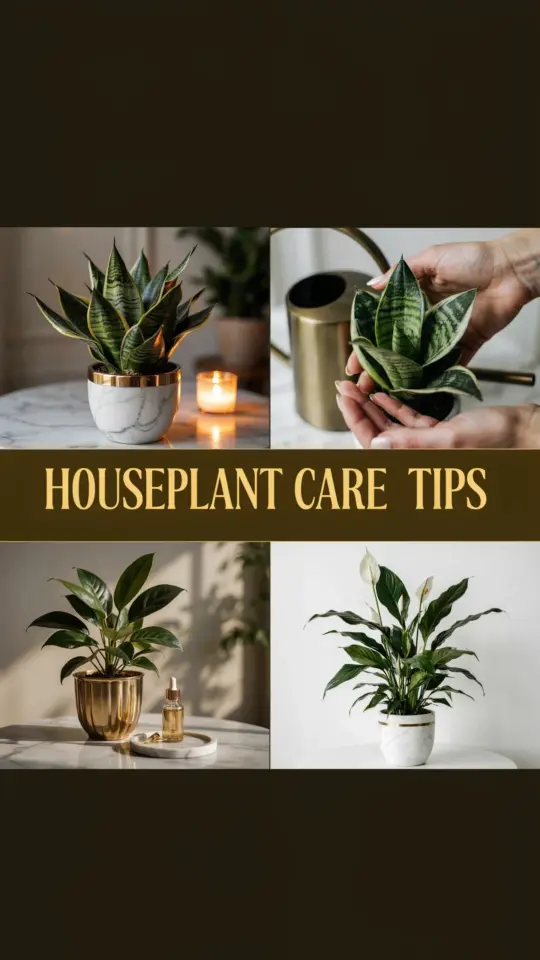
You love your leafy friends, but sometimes they look more like a crime scene than a green oasis. Yellow leaves, droopy stems, mushy soil. Before you give up, know that most struggling plants can bounce back with a few simple adjustments. I have been there, watering my peace lily into a soggy mess and wondering why it hated me. The good news is you do not need expensive products or fancy gear. These houseplant care tips rely on things you already have at home and a little patience. Let us walk through practical steps to save your dying plants without breaking the bank.
Spotting the Real Problem Without Spending a Dime
Before you toss your plant or buy a pricey fertilizer, take a close look at the symptoms. Most indoor plant problems come down to water, light, or roots. You can diagnose everything with your eyes and hands. Feel the soil an inch deep. If it is wet and the pot feels heavy, overwatering is likely. If the soil is dry and crumbly, your plant is thirsty. Check the leaves: crispy brown edges usually mean too much direct sun or low humidity. Yellow, mushy leaves point to root rot. You do not need a moisture meter or a pH test kit for a basic rescue. Start with these observations and your indoor plant care journey becomes much cheaper.
The Overwatering Fix That Costs Nothing
Overwatering is the number one killer of houseplants. The fix is simple and free. First, stop watering immediately. Let the soil dry out completely. If the pot has drainage holes, tilt it to let excess water run out. For severe cases, you can gently remove the plant from its pot, inspect the roots, and cut away any brown, mushy parts with clean scissors. Then repot into fresh, dry soil. You can reuse the same pot after washing it. No need for new decorative containers. Just plain terracotta or plastic nursery pots work fine. This is one of those plant rescue tricks that works every time if you catch it early.
Light Adjustments with Household Items
Your plant might be dying because it gets the wrong amount of light. The cheapest fix is moving it. East or north facing windows usually give gentle morning light. South windows can be too harsh for many plants. You do not need blackout curtains or grow lights. A sheer curtain, an old bedsheet, or even a piece of parchment paper taped to the window can diffuse strong rays. For low light plants, try moving them closer to the window but not directly in the sun. If you notice pale leaves or leggy growth, the plant is reaching for more light. Rotate the pot a quarter turn each week to keep growth even. These save dying plants methods cost nothing but a little movement.
Rescuing Underwatered Plants with Simple Hydration Tricks
Neglected plants look sad: wilted, dry, and dropping leaves. But they often recover faster than overwatered ones. The trick is not to flood them all at once. Give them a thorough soak in a sink or bucket of room temperature water for about 30 minutes. Let the water come up through the drainage holes. Then let the pot drain completely. After that, stick to a regular watering schedule. A cheap way to remind yourself is to set a phone alarm twice a week. Or check the soil with your finger. If your plant is extremely dry, you can also mist the leaves with a spray bottle. That extra humidity helps revive foliage without costing a thing. This is a core part of any indoor plant care routine on a budget.
Cheap Humidity Boosters for Crispy Leaves
Many houseplants come from tropical environments and hate dry indoor air. Brown tips and crispy edges are a cry for humidity. You do not need a humidifier. Try these low cost alternatives:
- Place a shallow tray of water near your plant. As the water evaporates, it raises local humidity.
- Group plants together. They create a mini microclimate and share moisture through transpiration.
- Set your plant pot on top of pebbles in a water filled tray, but keep the pot above the water line. This adds moisture without root rot.
- Mist the leaves with tap water that has sat out for 24 hours to let chlorine dissipate.
These tricks are perfect for anyone looking for an affordable way to revive houseplants without fancy gadgets.
DIY Pest Control Without Harsh Chemicals
Pests like spider mites, mealybugs, and aphids can appear when a plant is already stressed. You do not need to buy expensive sprays. A simple solution of one part rubbing alcohol (70% isopropyl) and three parts water works wonders. Use a cotton swab to dab it on visible bugs or gently wipe leaves with a soft cloth. For a preventive spray, mix a few drops of mild dish soap with water and mist the plant every two weeks
#HouseplantCareTips #PlantRescue #SaveDyingPlants #IndoorPlantCare #ReviveHouseplants
Leave a Comment