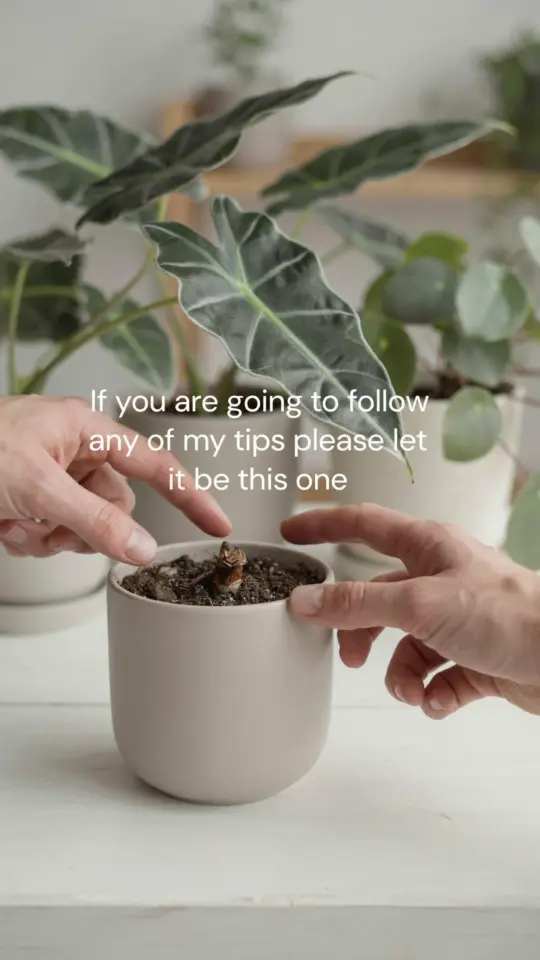
If you are looking for houseplant care tips for beginners that actually work, you have probably heard one warning more than any other: do not overwater. It is the number one killer of indoor plants, and it happens so easily. You want to be a good plant parent, so you water a little more, just in case. But that extra moisture rots roots and turns your green friend yellow and sad. The good news is that overwatering is totally avoidable. This curated roundup of ideas will help you build a simple, reliable routine. Each section focuses on a different theme, so you can pick the tips that match your space and your habits. No hype, just real advice that works.
Choose the Right Soil Mix for Your Indoor Plants
Not all potting soil is the same. The bag you grab at the store might hold too much water and suffocate your plant’s roots. For most common houseplants (pothos, snake plants, philodendrons), you want a mix that drains quickly. A standard indoor potting mix is fine, but you can improve it by adding perlite or coarse sand. This creates air pockets and lets excess water escape.
If you are repotting a succulent or cactus, use a special cactus mix or make your own by mixing two parts regular potting soil with one part perlite and one part coarse sand. For moisture lovers like ferns, keep the mix light but add a handful of peat moss or coco coir to hold some water without getting soggy. The goal is to avoid a heavy, clay-like soil that stays wet for days.
Master the Art of Checking Moisture Before You Water
Your plant does not need a calendar. It does not need a set schedule. The only reliable way to know if it needs water is to check the soil. Stick your finger about an inch into the potting mix. If it feels dry at that depth, it is time to water. If it still feels cool or damp, wait a few more days. This simple trick prevents overwatering better than any gadget.
For plants with deep pots, you can also use a wooden chopstick or a moisture meter. Insert it gently near the edge of the pot, pull it out, and see if soil sticks to it. Dry chopstick means water time. Sticky or dark soil means hold off. Make checking moisture a habit, and you will stop guessing.
Match Light Levels to Each Plant’s Needs
Too little light slows down a plant’s water use. If your plant sits in a dim corner, the soil stays wet longer and root rot creeps in. Beginners often underestimate how much light a plant truly needs. Place a pothos or ZZ plant near an east-facing window for bright, indirect light. Snake plants tolerate lower light, but they still grow best with a few hours of gentle morning sun.
If your space is dark, do not fight it. Choose plants that thrive in low light (like cast iron plant or peace lily) rather than forcing a sun-loving succulent into a shadowy bedroom. Rotate your pots every couple of weeks so all sides get equal light, and move plants closer to windows in winter when days are short. Healthy light means healthy roots.
Pick Pots That Drain Well
The pot you choose matters just as much as the soil. If your decorative pot has no drainage hole, water collects at the bottom and creates a swamp. Roots need oxygen, not a bath. Always use a container with at least one drainage hole. You can keep a plastic nursery pot inside a decorative cachepot – just tip out any water that gathers in the outer pot after watering.
- Terracotta pots are great for beginners because they absorb moisture from the soil and help it dry faster.
- Glazed ceramic pots hold moisture longer, so you need to water less often but monitor more carefully.
- Plastic pots are lightweight and cheap, but they do not let soil breathe as well – use a very airy mix inside.
- Self-watering pots can be helpful, but only if you understand the reservoir system. For absolute beginners, stick to a simple pot with a hole.
Learn to Read the Signs of Overwatering Early
Your plant will tell you when you have gone too far. Yellowing leaves, especially the lower ones, are a classic warning. Soft, mushy stems or a musty smell from the soil means root rot may have started. If the leaves look swollen or develop brown, watery spots, you are giving too much water. Do not wait until the plant is drooping – by then the roots are often damaged.
If you spot these signs, stop watering immediately. Let the soil dry out completely. Gently remove the plant from its pot, trim away any black or mushy roots with clean scissors, and repot into dry, fresh soil. Then place it in bright, indirect light and wait a week before watering
#HouseplantCare #IndoorPlantTips #PlantCareForBeginners #IndoorGardening #HouseplantHacks
Leave a Comment