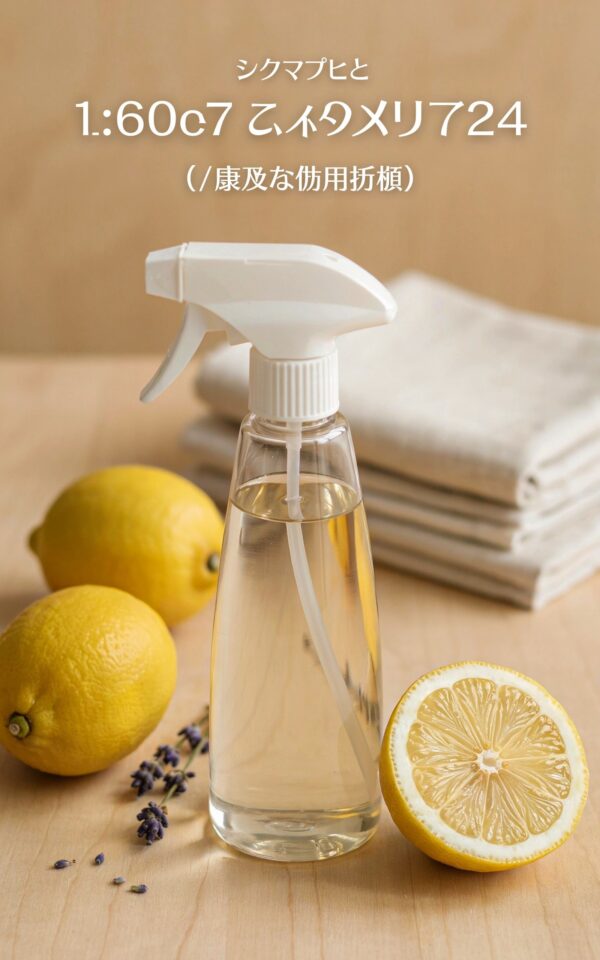
If you love the scent of fresh laundry but hate the chemical load in commercial fabric sprays, this Homemade Lemon Lavender Linen Spray is exactly what you need. With just a few natural ingredients and a simple blend of pure essential oils, you can create a refreshing mist that makes bedding, curtains, and upholstery smell clean and inviting without any synthetic fragrances or propellants. I have been making this recipe for years, and it never fails to brighten a room and lift my mood.
Why Make Your Own Lemon Lavender Linen Spray Instead of Buying One
Store-bought linen sprays often contain artificial perfumes, preservatives, and phthalates that can irritate sensitive skin or linger too heavily. Making your own lets you control exactly what goes into the bottle. You choose high-quality essential oils, avoid unnecessary chemicals, and customize the strength to your preference. Plus, it costs a fraction of the price of fancy boutique sprays.
Another big advantage is sustainability. You reuse a glass spray bottle instead of buying a new plastic one each time. Once you mix up a batch, you can whip up a refill in under two minutes. It is one of those simple swaps that feels good every single time you spritz your pillow before bed.
Ingredients You Need for a Natural Essential Oil Blend
This recipe uses only four ingredients. You probably already have most of them in your pantry or medicine cabinet.
- Distilled water – ⅔ cup (about 160 ml). Tap water can leave mineral residue on fabrics, so stick with distilled to keep your spray clear and your linens spot-free.
- Witch hazel or vodka – ⅓ cup (about 80 ml). This acts as an emulsifier to help the oils mix with water, and it also helps the spray dry faster on fabric. Witch hazel with a low alcohol content works fine; plain vodka works too.
- Lemon essential oil – 20 to 25 drops. Go for cold-pressed lemon oil for the brightest, most natural citrus scent. It is uplifting and energizing.
- Lavender essential oil – 15 to 20 drops. Use a true lavender (Lavandula angustifolia) for a calming, floral note that balances the lemon. Avoid lavandin oils, which can be harsh.
Optional add-ins: a few drops of rosemary or eucalyptus for deeper freshness, or a teaspoon of vegetable glycerin if you want the scent to linger slightly longer on fabrics.
Step by Step Instructions for This Homemade Spray
Start with a clean 8 ounce (240 ml) glass spray bottle. Plastic is fine too, but glass holds scent better and doesn’t absorb residue. Pour the witch hazel or vodka into the bottle first, then add the essential oils drop by drop. Swirl gently to combine.
Next, pour in the distilled water. Screw the spray nozzle on tightly and shake the bottle for about ten seconds. That is it. The mixture will stay emulsified for a few minutes, so you will want to shake it again each time before spritzing. I keep a little label on my bottle with the date and oil amounts so I remember my favorite ratio.
Let the spray rest for an hour or two before first use. This lets the oils fully incorporate and the scent round out. Then you can start freshening everything from pillowcases to sofa cushions.
Tips for Getting the Best Scent and Staying Power
Essential oils are volatile, so the scent will naturally fade over a few hours. That is actually a good thing: it means you are not exposing yourself to synthetic fixatives. To make the fragrance last a bit longer, spray onto fabric that has been freshly laundered and is still slightly damp. The fibers hold onto the oils better than dry ones.
Another trick is to mist the air above your bed or curtains rather than soaking the fabric directly. A light, almost invisible spray layer smells just as strong without leaving wet spots. If you prefer a stronger scent, increase the essential oil drops by five at a time, but never exceed roughly 40 drops total per 8 ounces of liquid, or the oil can stain light fabrics.
I also recommend shaking the bottle for a few seconds before every use. The water and oil naturally separate, and a good shake ensures you get an even distribution of both lemon and lavender in each spritz.
How to Use Your Lavender Lemon Spray on Different Fabrics
This blend works beautifully on a variety of household textiles. For bedding, mist your pillows and top sheet lightly about fifteen minutes before sleep. The lavender helps ease you into relaxation while lemon adds a clean, bright base note. On curtains, hold the bottle about twelve inches away and spray in a sweeping motion. This refreshes trapped odors from cooking or pet smells without leaving any residue.
For upholstery like couches and armchairs, test a small hidden area first to make sure the fabric does not water-spot. Velvet and untreated silk can react badly, so avoid those. Synthetic blends and cotton are usually fine. Use a very fine mist and let it air dry. You can also spray the inside of your car fabric seats or gym bag for a quick refresh.
Storage and Shelf Life of Homemade Linen Spray
Because this recipe uses distilled water and alcohol, it stays shelf-stable for about one month at room temperature. I store my bottle in a cool, dark cupboard away from direct sunlight. Heat and light degrade essential oils faster, so a dark glass bottle is ideal. If you want to keep a batch longer, refrigerate it. Chilled spray actually feels lovely on a hot summer afternoon.
Check the
Leave a Comment