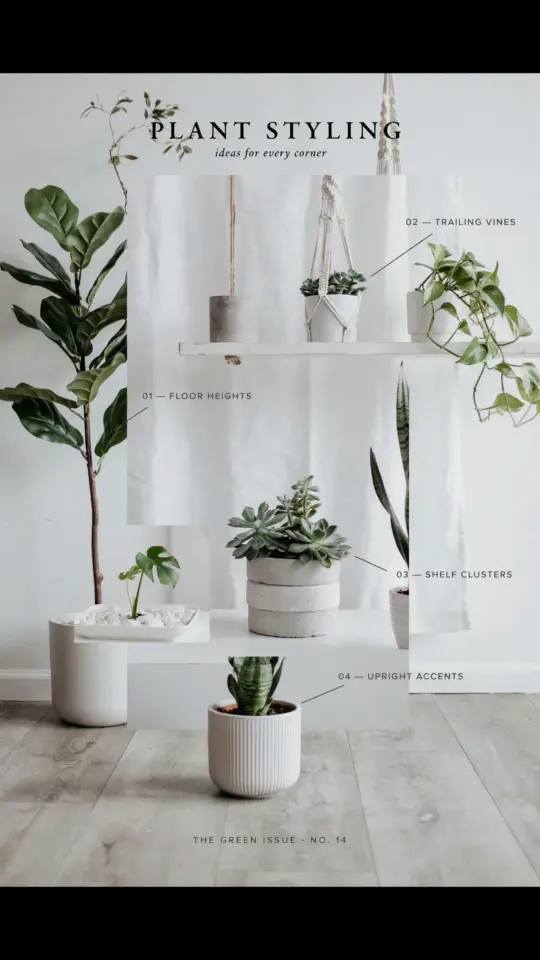
If you have been scrolling through home decor feeds lately, you have probably noticed a shift toward using natural, reclaimed materials indoors. One project that keeps popping up in the right circles is the DIY pallet shelf for plants. It combines the warm, imperfect look of recycled wood with the clean lines of modern design. Unlike mass‑produced shelving, a pallet shelf has scars, grain variations, and a story. That raw character makes it the perfect backdrop for trailing pothos, chunky snake plants, or a row of succulents soaking up southern light. And because you are building it yourself, you can tweak every detail to fit your wall space, your plant collection, and your current seasonal mood.
Why Recycled Wood Is the Smartest Choice for Indoor Plant Shelving
I have tried glass shelves, metal racks, and even floating acrylic units. They all look clean at first, but they never feel quite right next to living, breathing plants. Wood, especially wood that has already lived a previous life, adds a softness that no other material can match. Recycled pallets are particularly good because they are built to be tough. The oak or pine used in standard shipping pallets is dense and resistant to warping, which means your shelf will hold several pots without sagging.
There is also the environmental side. Every pallet you rescue from a construction site or a warehouse keeps one more piece of wood out of the landfill. And since plants already help purify your indoor air, pairing them with recycled materials creates a corner that genuinely feels grounded. I like to think of it as a tiny ecosystem: the wood breathes, the plants clean the air, and you get to enjoy both without contributing to new waste. For anyone trying to reduce their footprint while still decorating intentionally, this approach is hard to beat.
How to Select the Right Pallet for Your Modern Shelf
Not all pallets are created equal, and picking the wrong one can ruin a weekend project. First, look for pallets stamped with HT (heat treated). HT pallets are safe for indoor use because they are baked to kill pests rather than soaked in chemicals. Avoid MB (methyl bromide) pallets at all costs. Those chemicals are toxic and will off‑gas inside your home, which defeats the whole purpose of a natural decor piece.
Second, check the wood condition. You want boards that are straight, with no deep cracks or rot. A few nail holes are fine, that is part of the charm. But if the wood splinters easily or feels punky, set it aside. Third, look at the grain. For a modern design, you want boards with consistent color and minimal knots, or alternately, boards with dramatic grain patterns that act as a focal point. Decide which look suits your room before you start disassembling.
- HT stamp (heat treated) ensures the wood is chemical‑free.
- Straight boards without bowing or warping make assembly easier.
- Minimal rot or insect damage keeps the shelf stable over time.
- Consistent or boldly figured grain gives you design control.
Step by Step: Building a DIY Pallet Shelf for Plants
Start by carefully prying the pallet apart. Use a crowbar and a hammer, and work slowly to avoid splitting the wood. Once you have individual boards, sand them thoroughly. Begin with 80‑grit sandpaper to remove rough splinters, then switch to 120‑grit for a smooth finish. Modern style relies on clean surfaces, so do not skip the sanding step even if you want a rustic look. You can always add back texture with a wire brush later.
Cut the boards to your desired length. A typical shelf for plants is 24 to 36 inches long and about 4 to 6 inches deep. That depth works well for standard nursery pots. Arrange the boards side by side with a quarter‑inch gap between them for water drainage. Attach them to two cross‑beams underneath using wood screws. If you want a floating effect, build a cleat system. Secure the cleat to the wall studs, then slide the shelf onto it. This hides all hardware and gives that sleek, modern appearance.
Finish with a water‑based polyurethane or a natural oil like tung oil. Avoid glossy finishes; they make recycled wood look cheap. A matte or satin sheen preserves the natural feel while protecting against moisture from watering. Let the finish cure for at least 48 hours before bringing any plants inside. Patience here pays off in longevity.
Styling Ideas to Showcase Your Plants on a Pallet Shelf
The beauty of a recycled wood shelf is that it acts as a neutral stage. You can change the whole vibe of a room just by swapping out the plants or the pots. For a modern, minimalist look, group three identical plants in simple terra‑cotta or matte black containers. Snake plants, ZZ plants, or small fiddle‑leaf figs work perfectly. The repetition creates order, while the wood grain adds warmth.
If you prefer a more organic, jungle‑inspired feel, mix trailing and upright plants. Let a pothos or string of pearls cascade over the edge of the shelf, and place a tall sansevieria behind
#DIYPalletShelf #PlantStyling #RecycledWood #IndoorPlants #ModernDesign
Leave a Comment