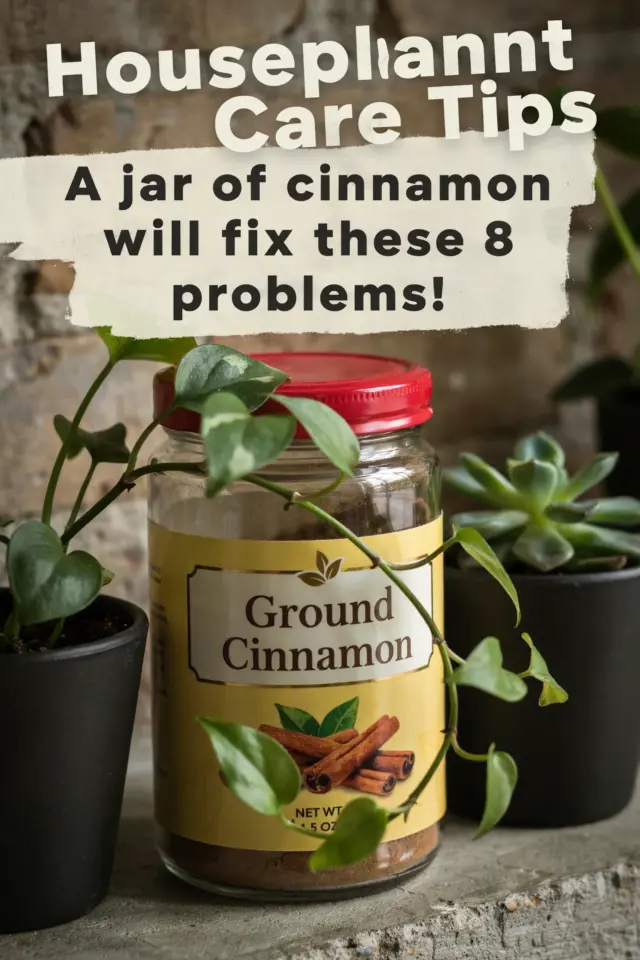
If you have a jar of cinnamon in your spice rack, you already own one of the most versatile organic tools for houseplant and garden care. Yes, the same cinnamon you sprinkle on oatmeal or toast can stop fungus gnats, help cuttings root faster, and protect seedlings from damping off. I use it all the time because it replaces synthetic chemicals with something safe, cheap, and effective. And the best part? You do not need any prior knowledge to start using it today. Let me show you exactly how.
Why Cinnamon Works as a Natural Pest Control
Cinnamon contains a compound called cinnamaldehyde. That is what gives it that warm, spicy smell. For insects and microbes, that compound is a powerful deterrent. It disrupts the nervous system of small pests and inhibits fungal growth at the same time. That makes it a natural fungicide and a mild insect repellent. It is not a harsh poison. Instead, it creates an environment that pests and pathogens do not want to live in. I have found it especially effective for indoor plants where I want to avoid breathing in chemical sprays.
For the garden, cinnamon works best as a preventative or a gentle intervention. If you have a severe infestation, you might need something stronger. But for everyday maintenance and early signs of trouble, cinnamon is a fantastic first step.
Stop Fungus Gnats with a Simple Sprinkle
Fungus gnats are those tiny black flies that hover around the soil of your houseplants. They lay eggs in moist potting mix, and the larvae feed on organic matter and plant roots. Cinnamon stops them in two ways. First, it dries out the top layer of soil a bit and makes it less appealing for egg laying. Second, the antifungal properties kill the mold and fungus that the larvae eat.
Here is how I do it. After watering, wait until the top inch of soil feels almost dry. Then sprinkle a thin, even layer of ground cinnamon over the entire surface. Use about a teaspoon for a standard 6 inch pot. Repeat every week for three weeks. You should see far fewer gnats within a few days.
- Do not use too much. A thick layer can trap moisture against the stem.
- Use fresh cinnamon, not the old jar from two years ago. The oils fade over time.
- For serious infestations, mix cinnamon into the top inch of soil as well.
I have tried sticky traps and chemical sprays. Cinnamon is my go to now because it does not harm my pets or kids, and it smells nice.
Using Cinnamon as a Rooting Hormone for Cuttings
Rooting hormone powders help plant cuttings grow roots faster and prevent rot. Commercial products often contain synthetic auxins. Cinnamon works as a natural alternative because of its antifungal properties. It keeps the cut end clean while the plant focuses on root development. It is not as powerful as the synthetic stuff, but it is very reliable for soft stem cuttings like pothos, coleus, and herbs.
To use it, take your cutting and strip off the lower leaves. Dip the cut end into a shallow dish of ground cinnamon. Coat about half an inch of the stem. Then tap off the excess and place the cutting into moist potting mix or water. I do this with all my basil and mint cuttings, and they root within a week or two every time. The cinnamon also seems to reduce the chance of stem rot in water propagation.
One tip: do not dip wet cuttings directly into the cinnamon jar. You will contaminate the entire jar with plant bacteria. Instead, pour a little cinnamon onto a plate or paper towel first.
Prevent Damping Off in Seedlings
Damping off is a fungal disease that kills young seedlings right at the soil line. They look fine one day and then flop over the next. It is heartbreaking for a new gardener. Cinnamon is one of the easiest organic preventatives. After you sow your seeds and cover them with soil, sprinkle a light dusting of cinnamon over the top. You can also mix a pinch into the seed starting mix before planting.
Last spring I started tomato seeds in two trays. One tray got a cinnamon dusting right after sowing. The other did not. The untreated tray lost about half its seedlings to damping off. The cinnamon tray had nearly 100 percent success. I am convinced it works because it suppresses the soilborne fungi before they can attack the tender stems. Just be careful not to overdo it. A very thin layer is enough.
How to Apply Cinnamon to Your Plants Safely
Cinnamon is gentle, but you can still misuse it. Here are the key rules I follow. First, always use ground cinnamon, not cinnamon essential oil. The oil is highly concentrated and can burn plant roots and leaves. Second, apply it to dry soil surfaces, not wet soil. On wet soil, cinnamon can form a crust that locks in moisture and leads to mold. Third, avoid getting cinnamon on leaf surfaces. It can clog leaf pores and cause spotting. If you accidentally get some on a leaf, wipe it off with a damp cloth.
When using cinnamon as a soil drench, mix one teaspoon of cinnamon into a cup of warm water. Let it steep for a few hours, then strain out the solids. Use the liquid to water your plants. This is great for treating root rot or repelling larger pests like ants
#cinnamon #houseplants #gardentips #organicgardening #fungusgnats
Leave a Comment